
Why a Pool Contractor Chooses Energy-Efficient Pumps and Heaters
In recent years, the pool industry has evolved significantly with a strong focus on energy efficiency and sustainability. This article explores the reasons why pool contractors in 2026 are increasingly opting for energy-efficient modern pumps and heaters for their projects.
1. Technological Advancements in Pool Equipment
The Shift Towards Variable Speed Pump Technology
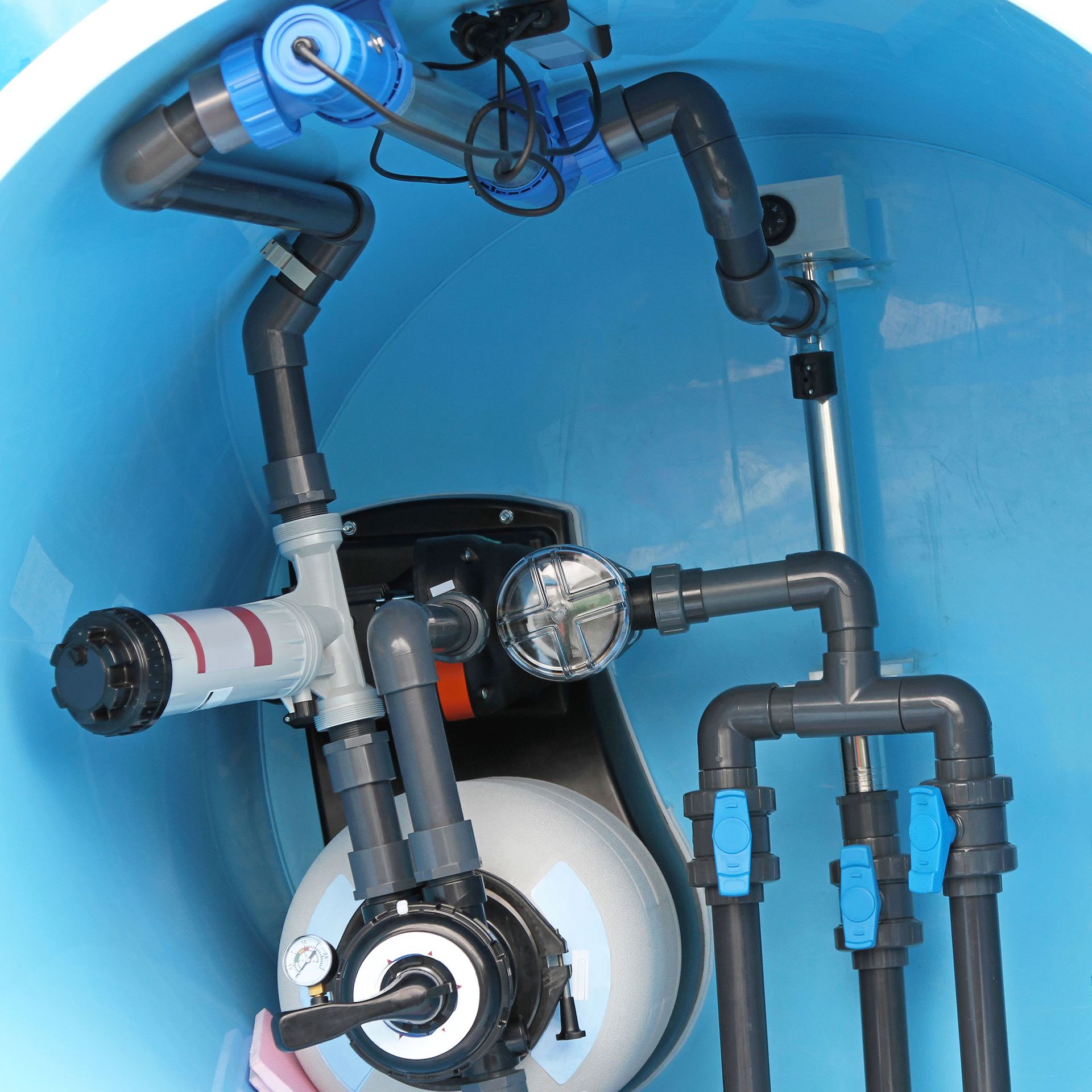
Variable speed pumps have revolutionized the pool industry by providing substantial energy savings compared to traditional single-speed pumps. These modern pumps allow pool owners to adjust the pump's speed according to the pool's demands, thereby optimizing energy use. The flexibility and efficiency of variable speed technology also contribute to reducing wear and tear on pool systems, thereby extending their lifespan. With energy regulations becoming stricter, contractors are more inclined to recommend these advanced pumps to comply with standards and offer cost-effective solutions to clients. By 2026, variable speed pumps are an industry norm, reflecting a conscious shift towards smarter energy management.
In light of these changes, the pool industry has seen a significant uptick in demand for energy-efficient equipment, including these pumps. According to Technavio, the aboveground swimming pool market is forecast to increase by USD 592.7 million, at a CAGR of 3.8%, between 2024 and 2029. This highlights the growing investment in more efficient pool technologies. Contractors are steering away from outdated practices, embracing innovation in pumping technology as a standard. This transformation aligns with a larger trend of integrating eco-friendly technologies across various sectors, underscoring the importance of sustainability moving forward.
Innovations in Heater Design and Efficiency
Modern heater designs have made significant strides in reducing energy consumption while maintaining optimal pool temperatures. These innovations are driven by advanced technologies such as heat pumps and solar heaters, which leverage environmental energy, providing efficient heating solutions. By 2026, incorporating these types of heaters is common practice for pool contractors striving to meet both business and environmental standards. Not only do they offer substantial energy savings, but they also reduce greenhouse gas emissions associated with heating traditional pools.
In addition to being energy-efficient, modern heaters are designed to be durable and user-friendly. Their compact sizes and streamlined designs mean they require less space and are easier to install and maintain than older models. The integration of smart technology further enhances their appeal, allowing owners to control their heating schedules and monitor energy consumption directly from their smartphones. Contractors who adopt these innovations can provide their clients with not just efficient pool systems but also an improved overall user experience.
The introduction of hybrid heating systems, combining traditional and modern technology, is another innovation shaping the pool industry. By marrying the strengths of both technologies, these systems ensure efficiency, reliability, and cost-effectiveness. As sustainability becomes a more pressing concern in society, pool contractors are increasingly recommending these modern heating solutions to meet clients' goals of reducing their carbon footprints. As we look to the future, it is clear that the pool industry's trajectory is firmly set on sustainability through advanced heater technology.
2. Economic Benefits of Energy-Efficient Pumps and Heaters
Reduction in Operational Costs
Energy-efficient pumps and heaters provide substantial economic advantages by significantly reducing operational costs. By utilizing advanced technology to optimize energy consumption, these systems lower electricity and gas bills, translating to considerable savings for pool owners. Over time, the initial investment in energy-efficient equipment pays off as reduced operational expenses continue to accumulate. Contractors are finding that emphasizing these financial benefits makes a compelling case for upgrading to modern systems, appealing to both cost-conscious homeowners and businesses.
The economic value goes beyond immediate savings, as energy-efficient systems also minimize the need for repairs and replacements. Enhanced durability and lower maintenance requirements further contribute to cost savings, making these systems a prudent long-term investment. For commercial pool facilities, where operational efficiency can significantly affect profit margins, the adoption of energy-efficient technologies is particularly crucial. By reducing the cost burden associated with pool maintenance, businesses can allocate resources more effectively, enhancing their bottom lines.
Long-Term Savings Over Standard Equipment
Long-term savings are a compelling aspect of energy-efficient pool systems, making them an attractive choice for a wide range of consumers. With technological advancements ensuring greater reliability and performance, modern equipment tends to last longer and operate more efficiently than traditional systems. The reduction in energy consumption directly correlates to lower utility bills over the lifespan of the equipment, providing significant cumulative savings. These attributes make energy-efficient technologies especially appealing in an era where economic and environmental considerations are closely intertwined.
By investing in energy-efficient equipment, pool owners smartly prepare for the possibility of rising energy costs. This foresight helps mitigate potential future financial strains associated with energy price fluctuations, offering further peace of mind. Additionally, the overall durability of these advanced systems translates to fewer repairs and replacements, minimizing lifetime ownership costs compared to standard equipment. Pool contractors emphasize these benefits when advising clients, painting a clear picture of the long-term economic advantages.
3. Environmental Impact and Sustainability
Carbon Footprint Reduction
Reducing the carbon footprint of pool operations is a significant driver behind the adoption of energy-efficient pumps and heaters. Traditional pool systems can be energy-intensive, contributing significantly to carbon emissions. By transitioning to modern energy-efficient equipment, pool owners can substantially decrease their environmental impact. These systems use less energy to achieve the same or better results, aligning closely with global efforts to combat climate change. Reducing the carbon footprint is not only beneficial for the environment but also increasingly demanded by consumers who value sustainability and eco-friendliness.
For contractors, emphasizing carbon footprint reduction appeals to environmentally conscious clients who are looking for ways to contribute positively to the environment. Installing systems that have a lower environmental impact differentiates contractors in a competitive market where sustainability is a prized attribute. By positioning themselves as leaders in offering eco-friendly solutions, contractors can capture demographic segments that prioritize sustainability in their purchasing decisions. This focus is not just a current trend but one expected to grow as awareness of environmental issues continues to rise.
Beyond individual installations, the collective shift toward energy-efficient technologies in the pool industry contributes to significant reductions in overall carbon emissions at a macro level. As more pool owners transition to these systems, the cumulative environmental benefits can be quite substantial, supporting global sustainable development goals. Contractors who embrace and drive this shift will not only find themselves bolstered by increasing demand but playing an active role in environmental stewardship. This dual benefit underscores the importance of energy-efficient solutions in achieving broader sustainability objectives in 2026 and beyond.
Contribution to Eco-Friendly Goals and Standards
Aligning pool operations with eco-friendly goals and standards is becoming increasingly essential for both contractors and pool owners. Energy-efficient pumps and heaters are vital in achieving these objectives, contributing to a reduction in resource consumption and environmental degradation. By adhering to eco-friendly standards, pool owners demonstrate their commitment to sustainable practices, resonating with consumers who prioritize green choices. In 2026, these alignments are no longer optional but rather expected, as regulatory standards and consumer expectations push the industry toward more sustainable practices.
For contractors, understanding and implementing these eco-friendly standards is not just about compliance; it offers a competitive advantage. By promoting solutions that meet or exceed these standards, contractors can position themselves as sustainability leaders in the industry. This association with eco-friendly practices is attractive to a growing segment of environmentally conscious clients, enhancing business reputability and growth potential. For many contractors, the adoption of green technologies is both a business strategy and a moral choice to support sustainable development.
The drive towards reducing energy consumption, cutting costs, and minimizing environmental impact is shaping
pool contractors' choices. If you're looking for professional pool service that stays on the cutting edge of energy efficiency, reach out to Pools Plus today!


Share On: