
Local Pool Contractor Maintenance Tips to Keep Your Pool Water Clean and Safe
Keeping pool water clean and safe requires consistent maintenance throughout the swimming season. A well-maintained pool needs balanced water chemistry, effective filtration, regular cleaning, and properly functioning equipment. Neglecting one part of the maintenance routine can eventually affect water clarity and overall swimming conditions. Homeowners can make pool care easier by following a consistent schedule and paying attention to changes in the water or equipment. Professional assistance can also help identify problems that may not be immediately noticeable during routine cleaning. According to Researchandmarkets.com, the inground swimming pool market is projected to increase from $6.87 billion in 2025 to $7.51 billion in 2026, representing a 9.4% CAGR. As more homeowners invest in inground pools, understanding proper maintenance becomes increasingly important for protecting that investment. Working with a local pool contractor can also provide homeowners with professional guidance when routine maintenance or equipment concerns require additional attention.
Maintain Proper Water Chemistry
Balanced water chemistry is one of the most important parts of keeping pool water clean and comfortable. Pool owners should regularly test the water to monitor levels such as pH, chlorine, and alkalinity. A local pool contractor can help homeowners understand appropriate chemical ranges and determine whether adjustments are necessary. Water that is improperly balanced can contribute to cloudy water, surface buildup, or equipment concerns. Testing should be performed regularly rather than only when the water begins to look unusual. Pool owners should follow product instructions carefully when adding chemicals and avoid mixing incompatible products. Keeping written records of test results can also make it easier to recognize recurring chemistry changes. Consistent chemical management helps create a cleaner pool environment and supports the effectiveness of the sanitation system.
Keep the Filtration System Clean
The filtration system plays a central role in removing particles and debris from circulating pool water. Filters can become less effective when they accumulate dirt and other material over time. A local pool contractor can inspect filtration equipment and recommend appropriate cleaning or maintenance based on the type of system installed. Homeowners should also monitor pressure readings and follow the manufacturer's recommendations for filter cleaning or replacement. Running the filtration system for an appropriate amount of time helps circulate treated water throughout the pool. Poor circulation can allow debris and contaminants to remain concentrated in certain areas. Keeping the filter and related components maintained supports clearer water and more consistent circulation. Regular filtration care should therefore remain part of every pool owner's maintenance routine.
Remove Debris Regularly
Leaves, insects, grass, dirt, and other debris can enter a pool throughout the day, particularly when the pool is surrounded by trees or landscaping. Removing visible debris regularly prevents it from accumulating and placing additional demands on the filtration system. A local pool contractor can also recommend cleaning practices based on the property's surroundings and the pool's design. Skimming the water surface is a simple task that can be incorporated into a regular maintenance schedule. Pool owners should also empty skimmer and pump baskets when debris begins to accumulate. Allowing organic material to remain in the water can affect cleanliness and may contribute to other maintenance concerns. Brushing the walls and floor can further loosen material before it is removed through circulation and cleaning. Frequent debris removal keeps the pool looking cleaner and helps reduce the amount of material entering the filtration system.
Brush and Vacuum Pool Surfaces
Pool walls, floors, steps, and corners can collect dirt and residue even when the water appears relatively clear. Brushing these surfaces helps loosen material that may otherwise remain attached to the pool's interior. A local pool contractor can recommend suitable brushes and cleaning methods based on the pool's surface material. Vacuuming can then remove loosened debris from the bottom of the pool. Areas with limited circulation may require additional attention because debris can settle there more easily. Homeowners should pay particular attention to steps, corners, and other areas that are commonly overlooked during quick cleanings. Establishing a regular brushing and vacuuming schedule can help prevent buildup from becoming increasingly difficult to remove. Consistent surface cleaning contributes to better water clarity and a more pleasant swimming environment.
Monitor Pool Circulation
Good circulation helps distribute treated water throughout the pool and move contaminants toward the filtration system. Pool owners should periodically check that return jets, skimmers, pumps, and other circulation components are operating properly. A local pool contractor can evaluate circulation problems when water remains cloudy or certain areas repeatedly collect debris. Blocked baskets, clogged filters, damaged components, or incorrect equipment settings can affect water movement. Pool owners should also pay attention to unusual noises or changes in pump performance. Addressing circulation problems early can prevent them from interfering with other parts of the maintenance routine. Proper water movement also helps distribute chemicals more evenly throughout the pool. Maintaining the circulation system is therefore essential for supporting consistent water quality.
Inspect Pool Equipment
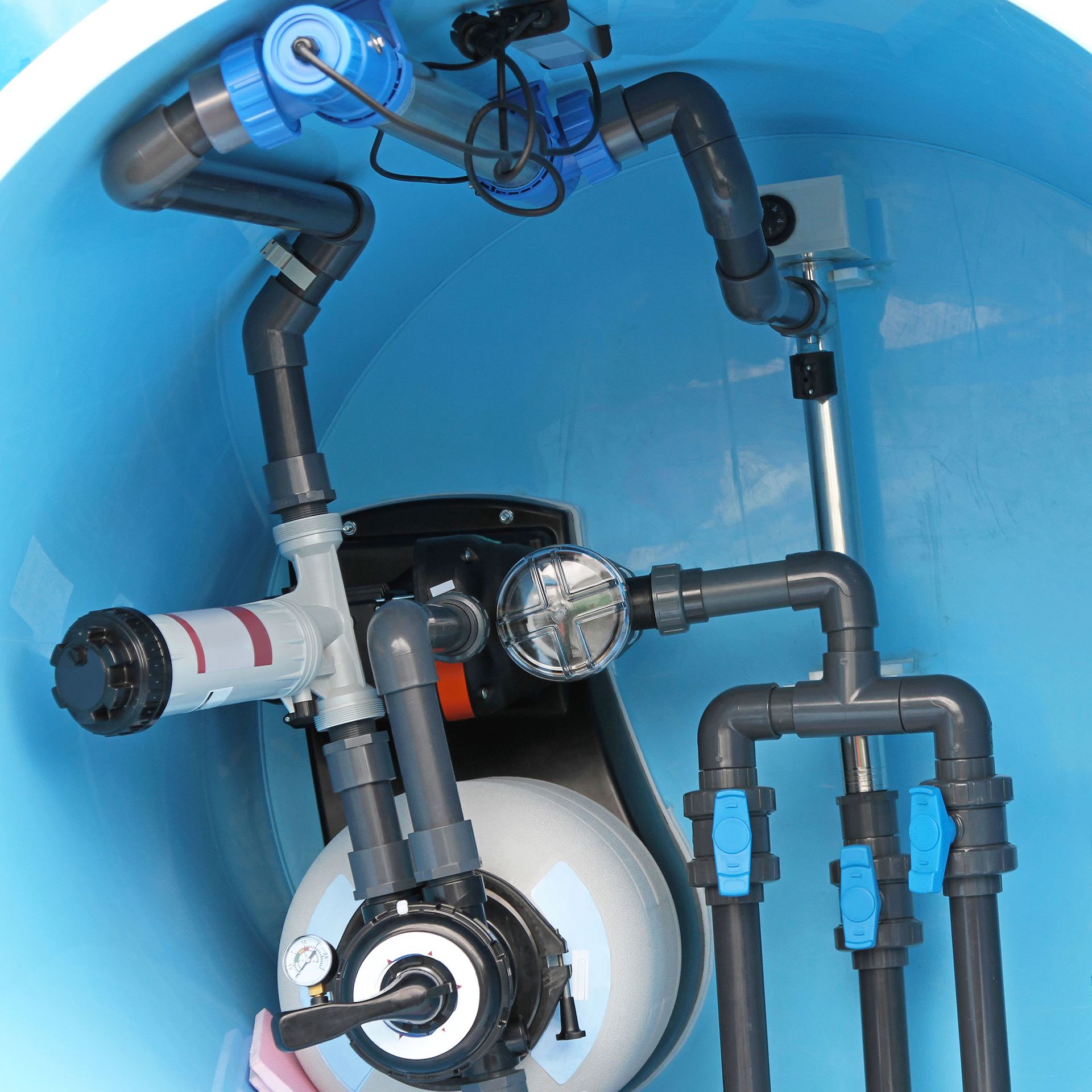
Pool equipment requires regular attention because pumps, heaters, filters, valves, and other components work together to maintain the swimming environment. Small changes in equipment performance can sometimes indicate that maintenance or repairs are needed. A local pool contractor can inspect these components and identify concerns that may not be obvious during routine pool cleaning. Homeowners should watch for unusual sounds, leaks, reduced water flow, or changes in equipment operation. Equipment should also be used according to the manufacturer's instructions and maintained at the recommended intervals. Ignoring minor mechanical concerns can sometimes allow them to develop into larger equipment problems. Regular inspections provide an opportunity to address developing issues before they interfere with pool operation. Proper equipment care helps support reliable circulation, filtration, heating, and sanitation throughout the season.
Manage Water Levels
Maintaining an appropriate water level is another important part of routine pool care. Water levels can change because of evaporation, heavy rain, splashing, cleaning activities, and other conditions. A local pool contractor can help homeowners determine the appropriate operating level based on the pool's design and equipment. Water that becomes too low may affect skimmer performance and circulation. Excessively high water can also reduce the effectiveness of skimming and alter normal pool operation. Homeowners should check the water level periodically and make adjustments when necessary. After significant rainfall, it is also useful to inspect the water condition and chemistry because additional water can change existing chemical concentrations. Monitoring water levels helps keep the circulation and filtration systems operating within their intended conditions.
Schedule Professional Maintenance
Routine homeowner maintenance is important, but professional service can provide additional support for complex pool care needs. A local pool contractor can evaluate water quality, equipment, circulation, filtration, and other components as part of a broader maintenance approach. Professional inspections can also help identify issues that may be difficult for homeowners to recognize. Seasonal maintenance is particularly useful before opening a pool, after periods of heavy use, or when preparing equipment for extended periods of inactivity. Homeowners should also consider professional assistance when water remains cloudy, equipment behaves unusually, or recurring chemistry problems develop. Keeping records of professional service can help homeowners maintain a consistent schedule and understand the history of their pool equipment. Combining regular homeowner care with professional maintenance can make it easier to keep the pool operating properly. A proactive approach can also help protect the condition of the pool and its supporting equipment over time.
Keeping pool water clean and safe requires more than occasional skimming or adding chemicals when the water looks cloudy. Consistent testing, filtration, debris removal, surface cleaning, circulation checks, equipment inspections, and water-level monitoring all contribute to effective pool maintenance. Homeowners who establish a routine can often identify changes in pool conditions before they become more difficult to address. Professional maintenance can provide additional support when equipment, water chemistry, or other pool components require specialized attention. Regular care also helps protect the investment homeowners have made in their swimming pool and surrounding property. Pools Plus provides professional pool maintenance and service to help homeowners keep their pools clean, functional, and ready for use. Contact us today to discuss your pool maintenance needs and schedule professional service for your property.

Share On: